Online masterclasses

Learn how to write
music for film.

Analysis, technique and practice on the scores that shaped the history of cinema. Video lessons, scores, exercises. Inside Pietro Montanti's Academy.

Why the Academy

The grammar of cinema,
explained from the inside.

Not decoration, but dramaturgy. The Academy takes the craft of the great film composers out of myth and turns it into practical tools: piano-side analysis, score in hand, exercises on real scenes.

Meet the instructor

Why this Academy

Three steps,
one method.

Every course in this Academy starts from the harmonic system itself: what it is, how it is built, what intervals and chords it generates, and why it sounds the way it sounds. Then I open real scores and show you how the greatest film composers use it: the exact voicings, the textures, the voice leading, bar by bar. Then I teach you how to write it yourself. And finally, when and why to apply it to a scene to create a specific dramatic emotion. From the system, to the score, to the page, to the screen. This is the complete process that most courses skip or fragment. If you are serious about understanding how film music actually works and writing at that level yourself, this is where you start.

Every course follows

The same three-step
method.

Harmony

The system

What it is, how it is built, what intervals and chords it generates, and why it sounds the way it sounds.

Writing

The score

How to write with it. The voicings, the textures, the voice leading. Real scores broken down bar by bar.

Application

The screen

When and why to use it. Which dramatic situations call for this system, and how to apply it to a scene.

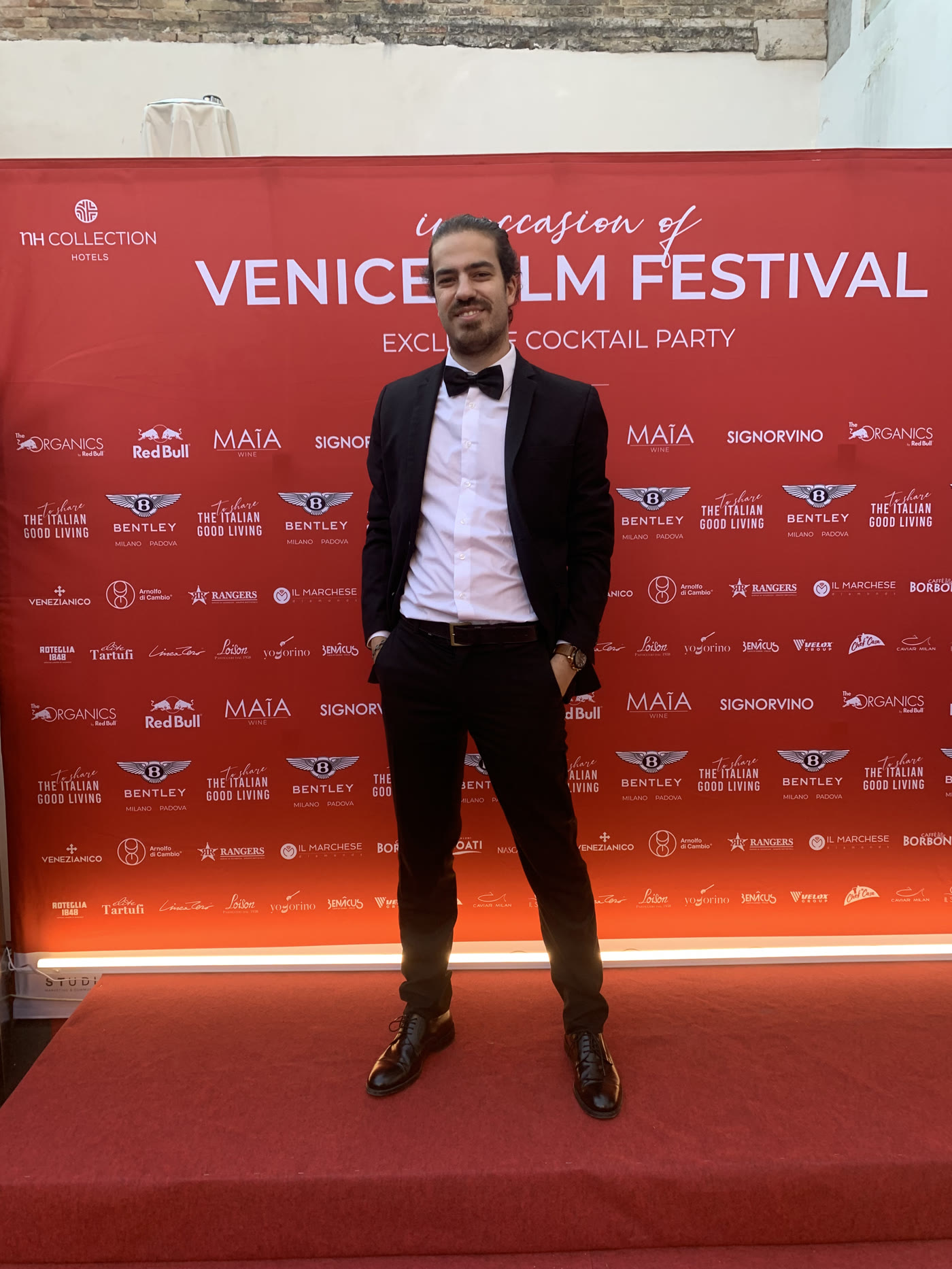
Pietro Montanti at Venice Film Festival

Instructor

Pietro Montanti

Film composer for films, documentaries and theatre.

Pietro Montanti is a composer from Verona, trained at the Verona Conservatory in classical clarinet and composition, with further studies in jazz, orchestration and audio production for film. He writes scores for short films, documentaries and theatre, and publishes with international Production Music Libraries in London and Los Angeles. In his teaching he shares a concrete, craft-oriented method: from the narrative reading of the scene to musical writing at the service of the image, up to workflow management and the professional delivery of materials.

Conservatories
Verona, Rovigo
Classical clarinet, composition, orchestration, music for screen
Music libraries
Los Angeles, London
International production music catalogues

Course catalogue

The Art of Film Scoring:
Composition

Designed for composers and musicians with a working knowledge of harmony and music theory.

A complete series of courses breaking down every harmonic and compositional technique used by Hollywood's greatest film composers. Each course isolates one system, from the octatonic scale to pandiatonicism, from twelve-tone writing to minimalism, and takes it apart: what it is harmonically, how it's written on the page, and why composers reach for it at specific dramatic moments. Not theory for theory's sake. Not generic composition advice. The actual craft behind the scores you already know by heart, explained so you can use it in your own work.

How it works

Three ways to
get into the craft.

01

Video lessons

Detailed scene-by-scene analysis at the piano, with the score on screen. Lifetime access, HD streaming.

02

PDF scores

Transcriptions of the key passages, annotated with harmonic and dramaturgic reading keys.

03

Practical exercises

Real sequences to apply what you learn, with feedback on your submissions.

The Sacred Silence course cover Free

Mini course

The Sacred Silence

A free introduction to one of the most powerful and simple compositional techniques of the last fifty years. Arvo Pärt's tintinnabuli method: two voices, one stepping note by note, the other ringing the notes of a single triad. How silence becomes structure, how simplicity becomes depth, and how two lines create an entire world. From Spiegel im Spiegel to Für Alina, from The Thin Red Line to The Place Beyond the Pines: a practical lesson in writing music that breathes. Free, no signup required.
  • Free · no signup
The Octatonic Engine course cover New

Episode 01

The Octatonic Engine

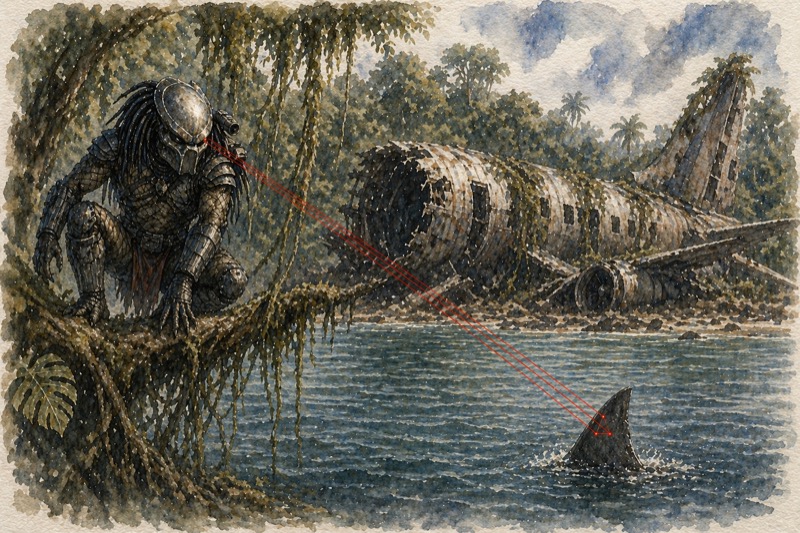
The harmonic engine behind Hollywood's greatest action sequences, relentless chases, and explosive tension. How the octatonic scale drives the energy of blockbuster scoring with unstoppable momentum. From the Asteroid Field to the jungles of Predator, from the depths of Jaws to the island of Lost: the theory, the dramatic function, and how to write it.

  • 59 lessons · 3 parts
The Forbidden Scale course cover Coming soon

Episode 02

The Forbidden Scale

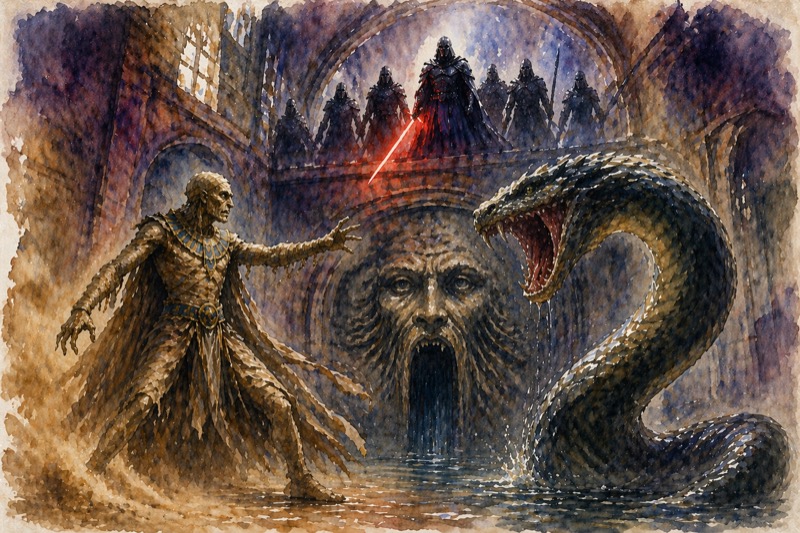
The harmony behind ancient rituals, cursed tombs, dark sorcerers, and iconic villains in film. A complete study of the double harmonic scale and its modes, including the Hungarian minor: how they create the sound of something forbidden, sacred, and dangerous. From Imhotep to Jafar, from the Chamber of Secrets to the Knights of Ren: the theory, the dramatic function, and how to write it.

  • In production
The Dark Symmetry course cover Coming soon

Episode 03

The Dark Symmetry

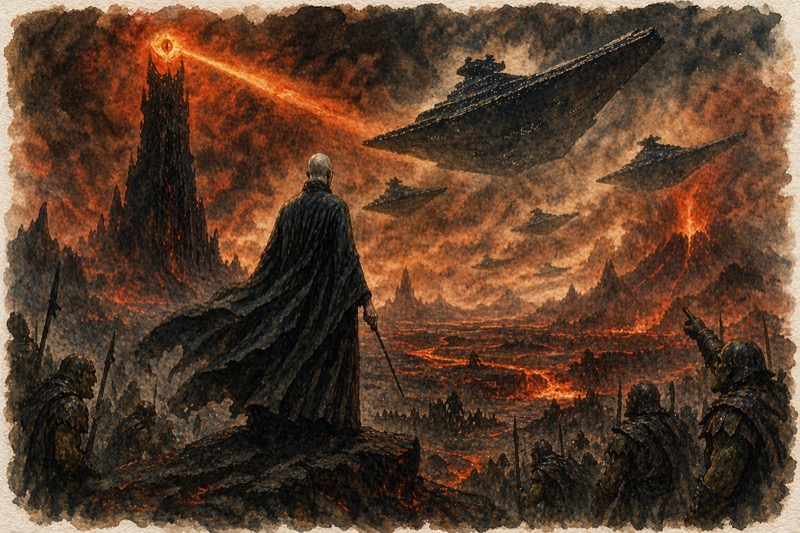
The harmonic system behind cosmic villains, creeping dread, and impossible spaces in film. A complete study of the augmented hexatonic scale, also known as the symmetrical augmented scale: how it creates tension without resolution, mystery without answer, and evil beyond human scale. From Vader to Voldemort, from V'Ger to the depths of Pet Sematary: the theory, the dramatic function, and how to write it.

  • In production
The Obsessive Spiral course cover Coming soon

Episode 04

The Obsessive Spiral

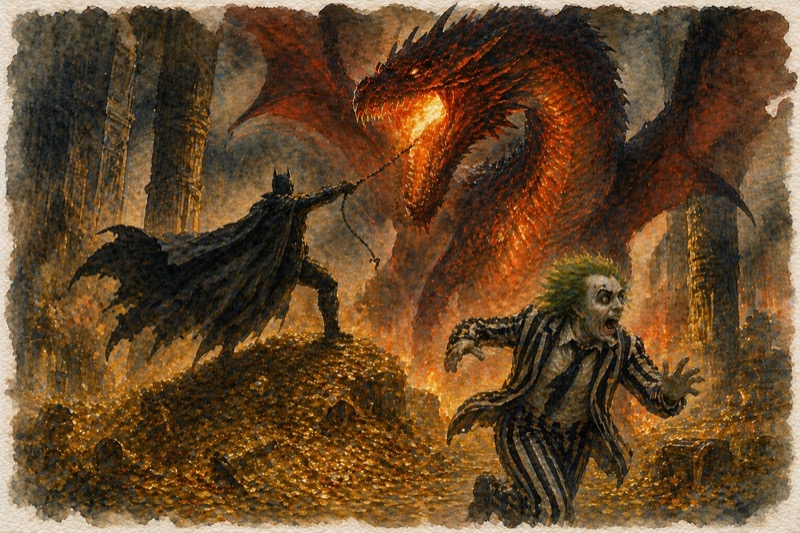
The harmonic force behind gothic villains, psychological obsession, and inescapable tension in film. A complete study of the harmonic minor scale used as a deliberate color: how its gravitational pull creates themes that never let go, characters trapped in their own darkness, and music that spirals inward with no way out. From Batman to Beetlejuice, from the fire of Smaug to the madness of Norman Bates: the theory, the dramatic function, and how to write it.

  • In production
The Floating World course cover Coming soon

Episode 05

The Floating World

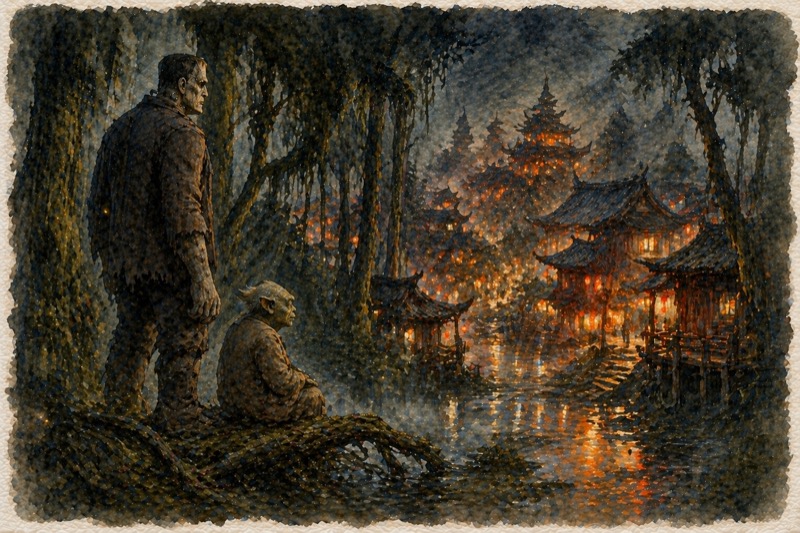
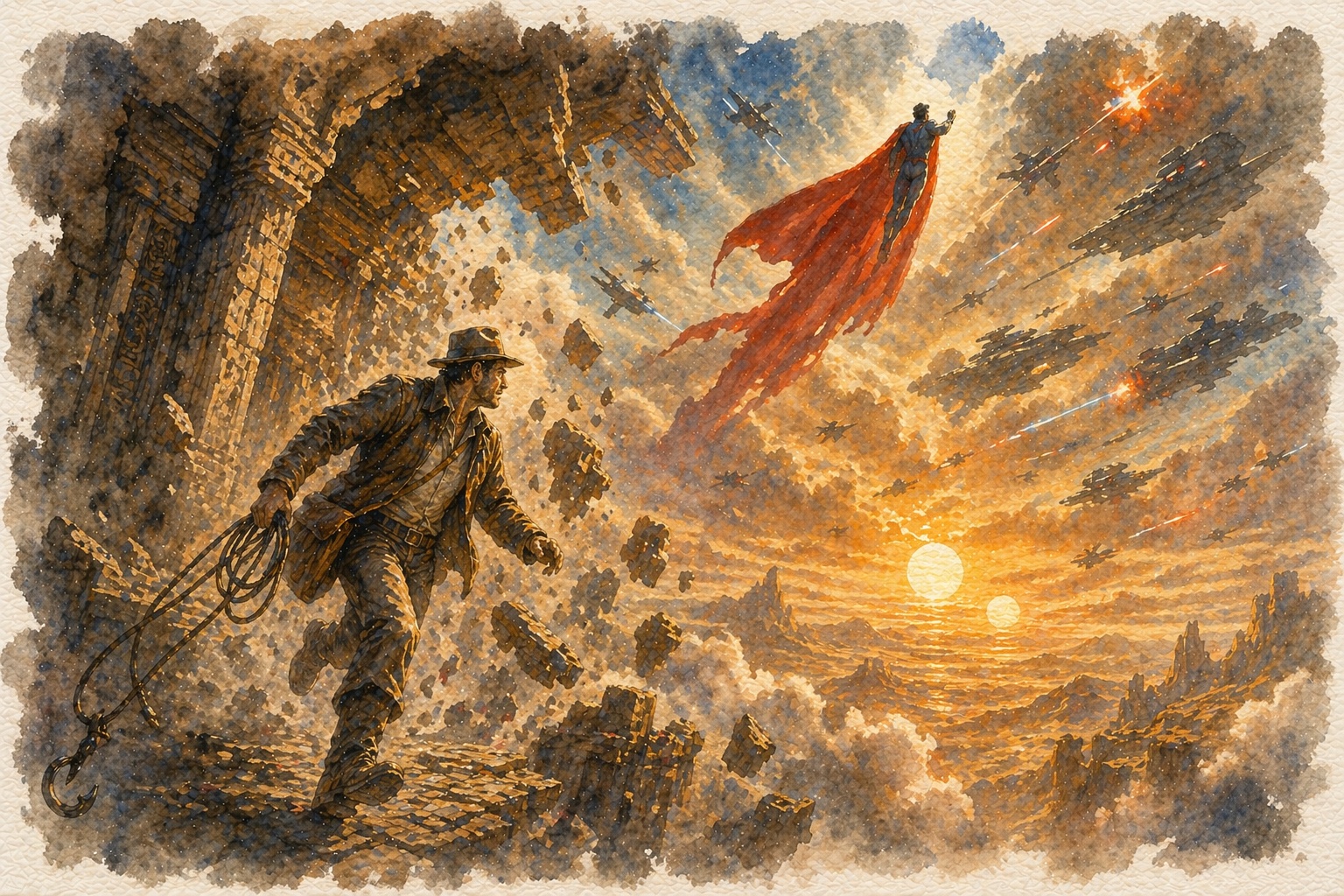
The harmonic colors behind wonder, dreams, nostalgia, and emotional ambiguity in film. A complete study of three essential systems that live between light and dark: the pentatonic scale and its power to evoke innocence and the ancient, the whole tone scale and its weightless suspension of reality, and the melodic minor system with its modes, from the bittersweet pull of Mixolydian b6 to the epic ambiguity of Lydian Dominant. From Luke's twin suns to the temples of Mulan, from the eerie world of Frankenstein to the mists of Dagobah: the theory, the dramatic function, and how to write it.

  • In production
The Seven Colors course cover Coming soon

Episode 06

The Seven Colors

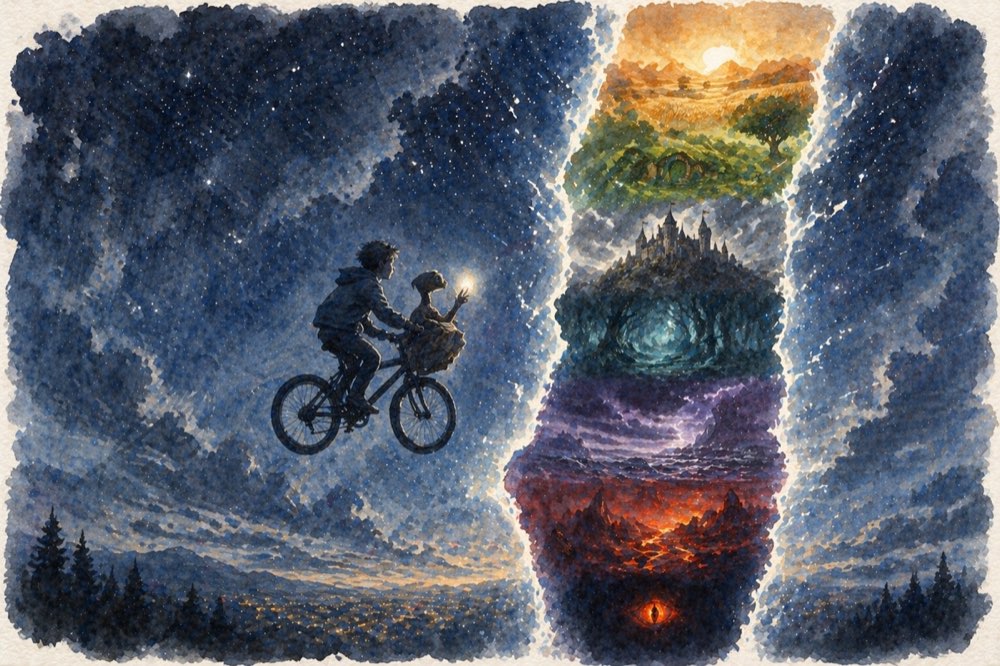
The foundational color palette of film scoring. A complete study of the seven diatonic modes and how they function as deliberate dramatic tools in cinema: Lydian and its floating sense of wonder, Dorian and its noble darkness, Mixolydian and its grounded heroism, Phrygian and its threatening weight, Aeolian and its ancient tragedy, Ionian and its bright resolution, Locrian and its unstable tension. How one note changes everything. From the flight of E.T. to the fields of the Shire, from the fanfares of Superman to the depths of Mordor: the theory, the dramatic function, and how to write it.

  • In production
The Triadic Web course cover Coming soon

Episode 07

The Triadic Web

Neo-Riemannian harmony has a reputation for being impossibly complex. It isn't. At its core, it's just triads moving to other triads through shared notes and minimal semitone shifts, without tonal function. This course cuts through the theory and focuses on what actually matters: the movements film composers use every day. Chromatic mediants, modal interchange, and progressions that connect distant chords through the simplest voice leading. No formulas, no diagrams. Just the keyboard, the score, and the dramatic reason behind every chord change. From Herrmann to Williams, from Shore to Goldenthal: the harmony they use, explained clearly.

  • In production
The Expanded System course cover Coming soon

Episode 08

The Expanded System

The techniques behind Hollywood's most iconic heroic sounds. A complete study of five systems that stretch tonality without breaking it: quartal and quintal harmony, polytonality, planing, pandiatonicism, and polychords. How they create the open, expansive, larger-than-life sound of blockbuster cinema. From the fanfares of Star Wars to the flight of Superman, from the temples of Indiana Jones to the orchestral language of Copland and Stravinsky: the theory, the dramatic function, and how to write it.

  • In production
The Shattered System course cover Coming soon

Episode 09

The Shattered System

The techniques behind the most terrifying, alien, and transcendent sounds in cinema. A complete study of atonal and avant-garde methods used in film scoring: twelve-tone composition, tone clusters, aleatoric writing, and extended instrumental techniques that turn familiar instruments into unrecognizable voices. From the corridors of the Overlook to the silence of the monolith, from the darkness of the Nostromo to the wastelands of the Forbidden Zone: the theory, the dramatic function, and how to write it.

  • In production
The Endless Cycle course cover Coming soon

Episode 10

The Endless Cycle

The compositional system behind cinema's most hypnotic, relentless, and emotionally overwhelming scores. A complete study of minimalism in film: additive and subtractive processes, phase shifting, repetitive patterns, and drone. How repetition becomes transformation, how stillness becomes tension, and how the simplest materials create the most powerful emotional impact. From Koyaanisqatsi to Interstellar, from The Hours to Dunkirk, from Philip Glass to the influence of Reich on Zimmer and the modern blockbuster: the theory, the dramatic function, and how to write it.

  • In production

Free PDF

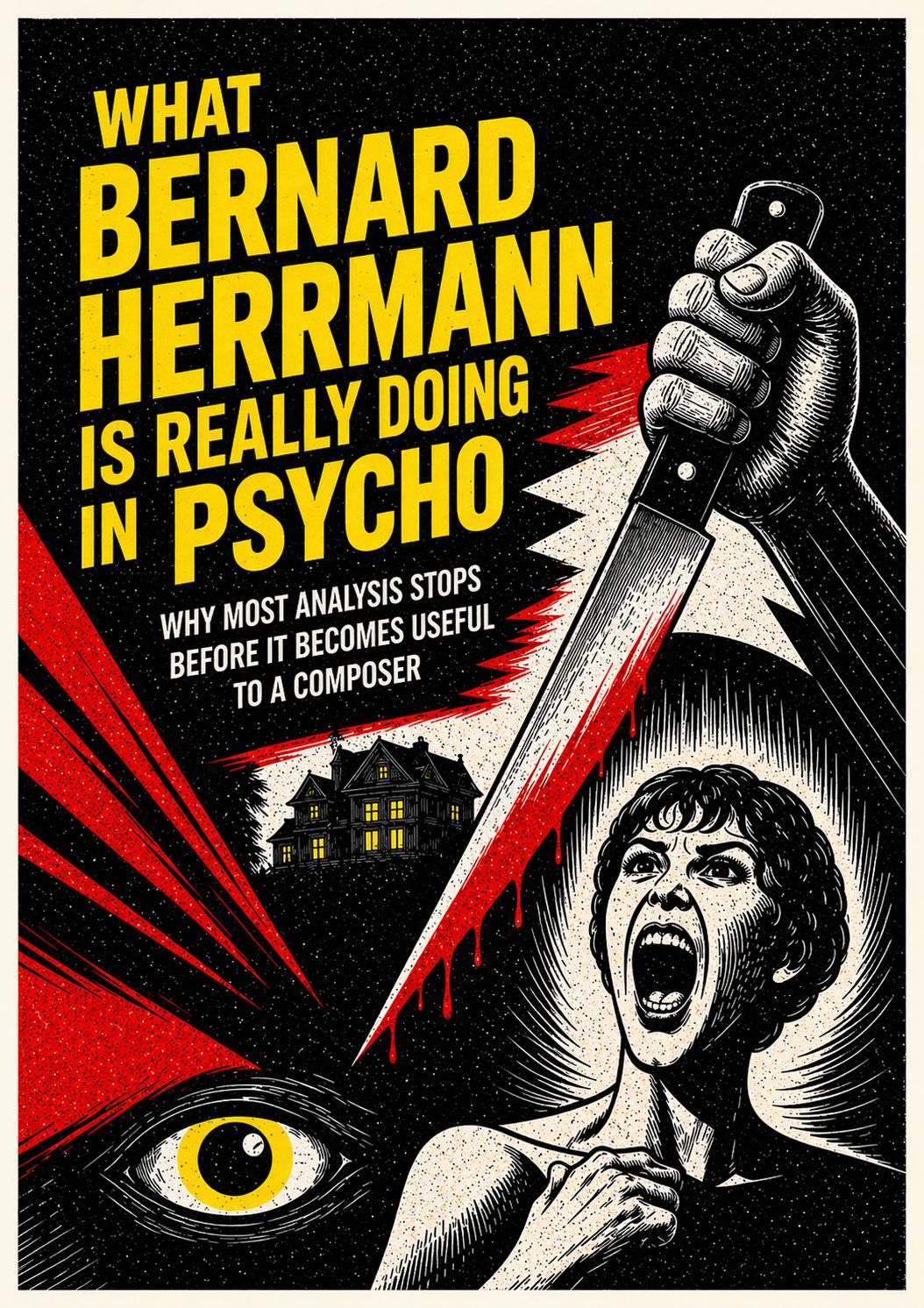
WHAT BERNARD HERRMANN IS REALLY DOING IN PSYCHO

Why most analysis stops before it becomes useful to a composer

I take the best analysis of Psycho available online, show exactly where it stops being useful to a composer, and introduce a different way of reading the score.

PDF cover: What Bernard Herrmann is really doing in Psycho

FAQ

Everything you're
wondering about.

When does the first course start?
The course on Bernard Herrmann's Psycho launches in 2026. If you're on the waitlist you'll get the official announcement and an early-bird discount.
Do I need to read scores?
It helps a lot, but it isn't required: every lesson is built by listening first and reading second, so people without classical training can still follow the thread of the reasoning.
Are the courses in Italian or English?
Lessons are in Italian. English subtitles are coming for the first course.
Can I buy a bundle of multiple courses?
The full bundle will be available when at least three courses have been published. Waitlist members get priority access.
How does payment work?
Secure payment via Stripe (credit card or Apple Pay). Instant access to the lessons after purchase.

Newsletter

A film analysis
every two weeks.

I send a short study by email on a theme, a scene, a cue. No spam, just scores and cinema.